

What Is Sundowning? Tips to Ease Evening Confusion
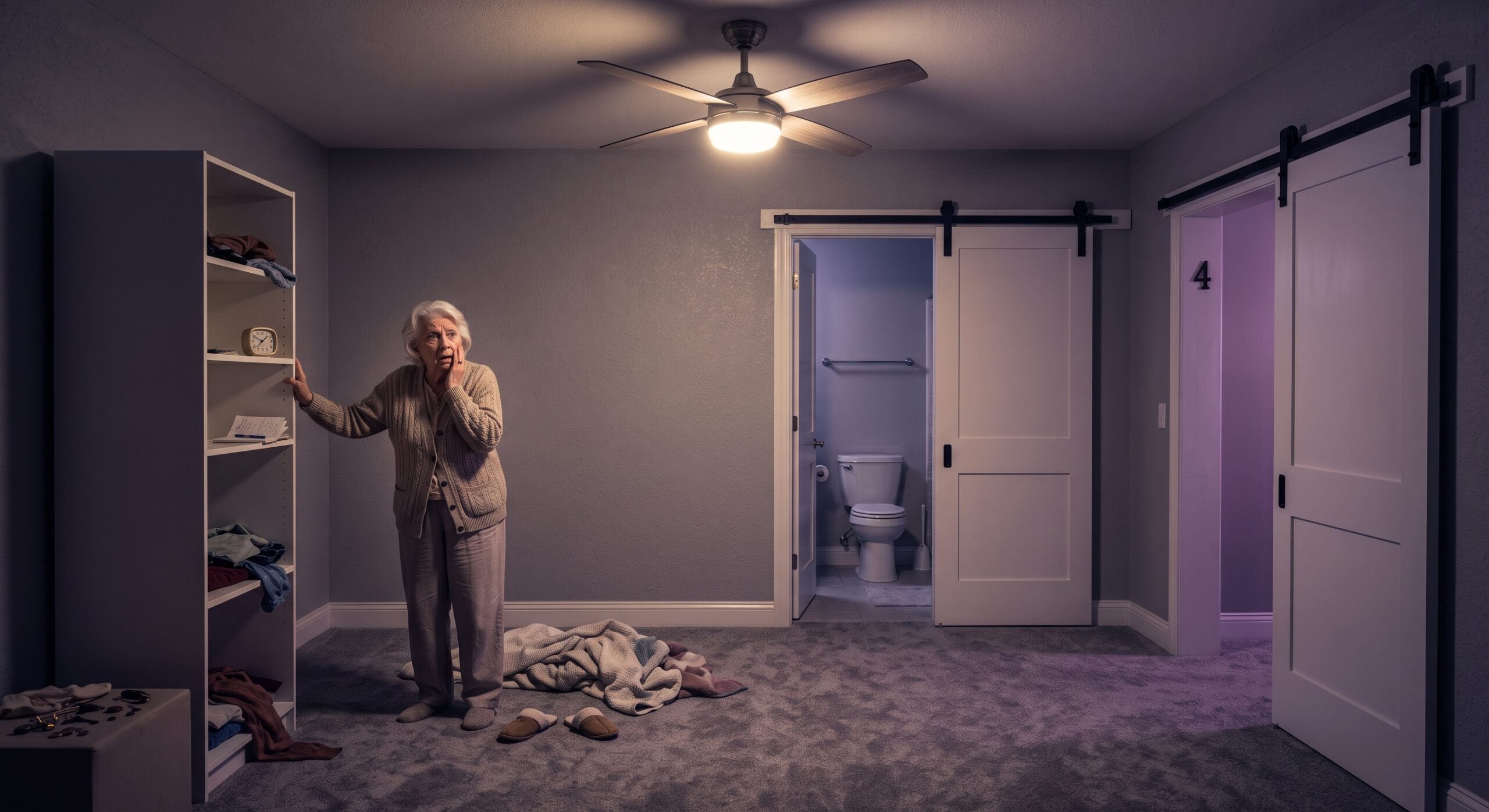
If your loved one with dementia becomes more confused, anxious, or restless as the sun goes down, you are seeing something caregivers call “sundowning.” It is common—and while it can be exhausting, a few simple routines can make evenings calmer for everyone.
What Is Sundowning?
Sundowning is a pattern of increased agitation, confusion, or irritability in the late afternoon and evening. Experts believe it is linked to changes in the body’s internal clock, fatigue, and fading light. It often eases with structure and a soothing environment.
Common Triggers
- Being overtired or under-rested during the day
- Too much noise, clutter, or activity in the evening
- Low lighting and long shadows
- Hunger, thirst, or discomfort
Simple Ways to Help
Keep a predictable daily rhythm, and plan demanding activities for the morning when energy is highest. As evening approaches, turn on warm lighting before dusk, lower the noise, and offer a calming activity like soft music or a favorite snack. Limiting caffeine and long afternoon naps can help, too.
When to Seek Extra Support
If sundowning becomes frequent or unsafe, it may be time for specialized help. Memory care communities are built around calming routines, secure spaces, and trained staff who know how to ease evening anxiety. Schedule a visit to see how a structured environment can bring more peace to your loved one’s day.