

12 Questions Every Family Should Ask Before Signing an Assisted Living Contract
Choosing an assisted living community for a loved one is one of the most important decisions a family can make. It’s not only about finding a place that meets current care needs—it’s also about ensuring safety, dignity, and joy in everyday life. Whether you’re exploring assisted living in Minnesota for the first time or comparing options across senior living communities, asking the right questions before signing a contract can help you make a confident, informed decision. Below are twelve key questions to guide your search.
1. What Levels of Care Are Offered?
Every senior living community in Minnesota is different. Some offer only basic daily assistance, while others provide more comprehensive care that includes memory care support and clinical oversight. It’s essential to ask which services are available now—and how the care plan can change as your loved one’s needs evolve.
Why It Matters:
Flexible care levels mean residents can stay in a familiar setting longer, even if their health changes. At Alliance Residences, personalized care plans are continually assessed to ensure each resident receives the right balance of independence and support.
2. How Are Personalized Care Plans Developed?
Every senior has unique preferences, routines, and health goals. Ask how the community evaluates these factors and how they update care plans over time. Be sure to find out who is involved in developing the plan—nurses, caregivers, and family should all have a voice.
Key Tip:
A transparent process shows that the community values collaboration. Alliance Residences, for example, takes time to understand not just what residents need—but what makes their days meaningful.
3. What Does the Monthly Fee Include?
Cost clarity is vital. Request a detailed list of what’s included (meals, housekeeping, transportation, medication management, personal care, and social activities) and what might result in additional charges. Unexpected costs can be stressful for families, so be sure the agreement clearly states all financial terms.
4. How Are Medications Managed?
Medication management in assisted living is a cornerstone of resident safety. Ask who oversees medications—licensed nurses or trained caregivers—and how often medications are reviewed. Also, inquire about pharmacy coordination and how missed doses or changes in prescriptions are handled.
What to Look For:
Communities with strong medication management protocols minimize errors and ensure proper monitoring. Alliance Residences’ care team closely collaborates with healthcare providers to support each resident’s health plan.
5. What Kinds of Daily Assistance Are Available?
Assisted living residents often need help with activities of daily living (ADLs) such as bathing, dressing, or mobility. Ask how much assistance is included and how the care team balances support with independence. You want to feel confident that your loved one will receive compassionate, respectful help every day.
6. How Are Staff Trained and Supervised?
The quality of care truly depends on the people providing it. Find out about staff qualifications, certifications, and ongoing training—especially in areas such as dementia awareness, fall prevention, and emergency response. In Minnesota, reputable senior living communities adhere to state care standards and conduct background checks on all employees.
Expert Insight:
At Alliance Residences, our caregivers are chosen for both skill and heart. Ongoing education ensures they stay current on best practices in senior wellness, memory care support, and compassionate communication.
7. What Are the Safety and Security Measures?
Peace of mind starts with knowing your loved one is safe. Ask about emergency alert systems, 24-hour staffing, building security, and safety features such as grab bars, well-lit hallways, and wheelchair accessibility. Communities committed to safety maintain an environment that supports independence while minimizing risk.
8. How Does the Community Support Social Engagement?
Loneliness can impact a senior’s physical and mental health. An engaging lifestyle program can make a world of difference. Ask about social activities, events, exercise programs, spiritual services, and community outings. Be sure to observe whether residents appear happy, active, and connected when you visit.
Why Engagement Counts:
Alliance Residences focuses on holistic wellness—mind, body, and spirit—through purposeful programming, creative activities, and opportunities for friendship. Staying connected helps seniors thrive emotionally and cognitively.
9. Is Memory Care Support Available On-Site?
Even if your loved one doesn’t currently have memory loss, it’s wise to ask how the community addresses cognitive changes. Some assisted living communities in Minnesota have a dedicated memory care neighborhood designed for residents living with Alzheimer’s or other dementias. Others may partner with specialized providers.
What to Consider:
Continuity of care is key. Alliance Residences provides secure, nurturing environments and individualized memory support so residents can remain comfortable and engaged throughout each stage of aging.
10. How Does the Community Communicate with Families?
Transparency builds trust. Ask how often the staff updates families about care changes, health status, or daily living updates. Inquire about communication channels—phone calls, emails, family meetings, or online portals.
Good Practice:
Alliance Residences believes families are essential care partners. Regular updates and open communication help everyone feel confident and informed.
11. Can You Tour and Sample the Dining Experience?
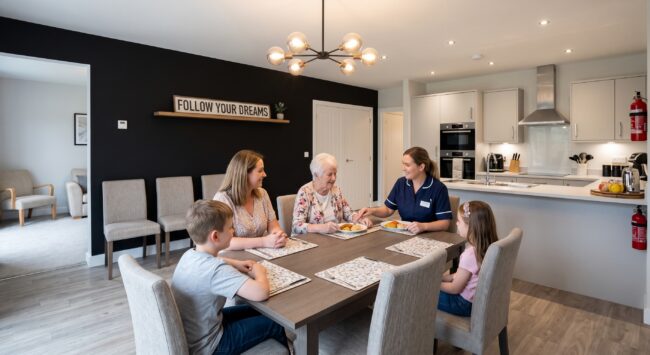
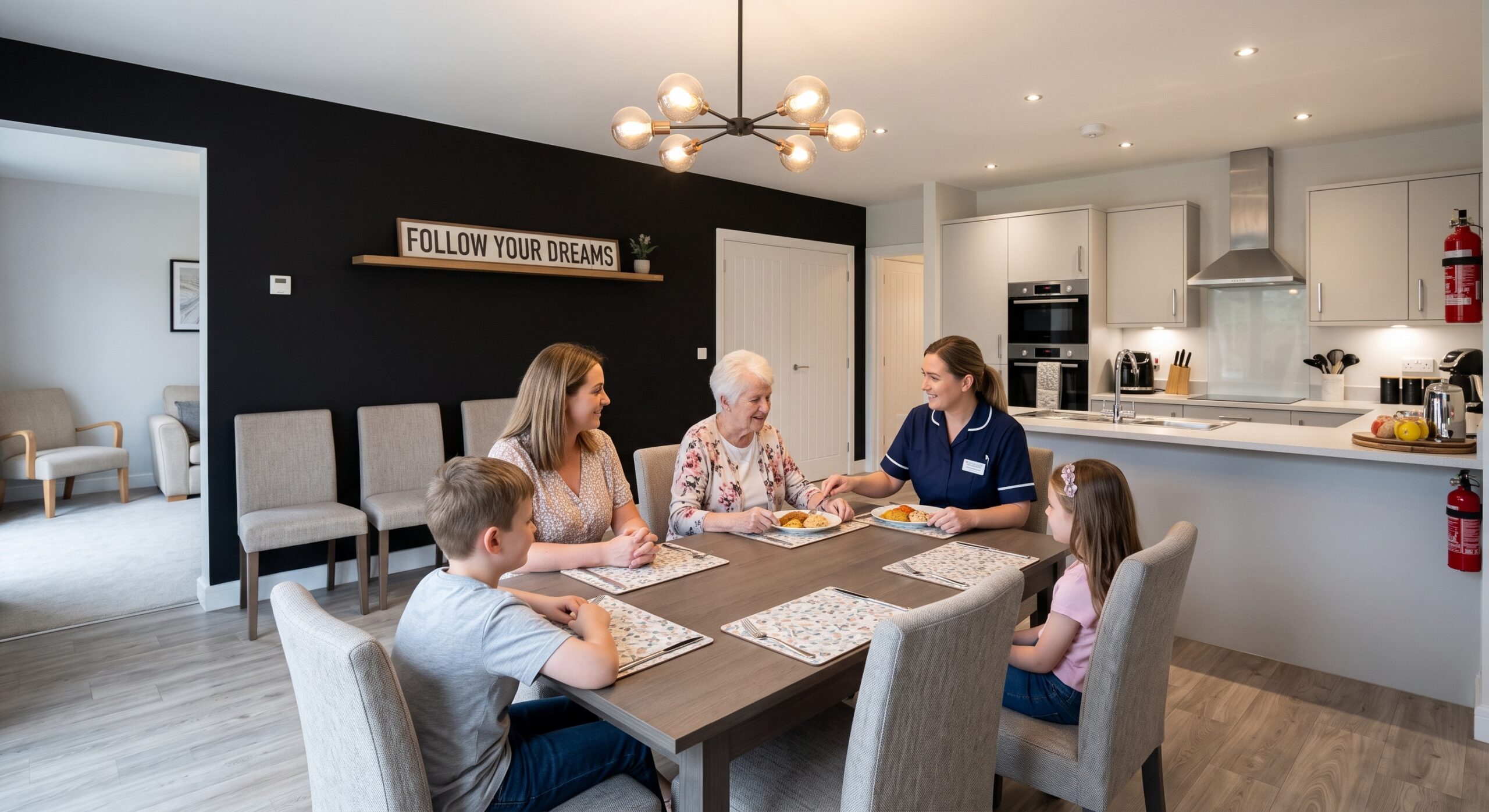
Nutrition plays a major role in senior wellness. Ask to meet the dining team, review sample menus, and share a meal during your visit. Observe how dietary preferences and restrictions are handled. Great food and warm company make daily life more enjoyable—and more nutritious.
Ask Yourself:
Does the dining experience feel inviting and homelike? At Alliance Residences, fresh, chef-prepared meals are enjoyed in a social setting that encourages conversation and connection.
12. What Happens If Care Needs Change?
Future planning matters. Ask how the community adapts care for residents who may require additional support later, including physical therapy, memory care, or rehabilitation. Knowing these transitions are handled smoothly gives families lasting peace of mind.
Family Perspective:
Alliance Residences is committed to continuity of care. Whether your loved one needs short-term support or more advanced assistance, we ensure the right care is delivered with dignity and compassion.
Making the Right Choice for Your Family
Selecting an assisted living community is about more than amenities—it’s about trust, communication, and shared values. By asking these twelve questions before signing an assisted living contract, you’ll gain a clearer understanding of how each community aligns with your loved one’s needs and personality. In Minnesota, assisted living options vary widely, so take time to visit, observe, and engage with staff and residents.
As senior living experts, the team at Alliance Residences encourages families to ask every question that matters. We believe that open conversations lead to confident decisions—and a happier, healthier future for your loved one. If you’re ready to explore personalized assisted living in Minnesota, reach out today to schedule a visit or speak with our care advisors. We’re here to help you every step of the way.