

Does Medicare Cover Assisted Living? Here’s the Truth
Understanding how to pay for assisted living is one of the biggest hurdles families face when supporting a loved one’s transition to senior care. You may have heard that Medicare covers some long-term care services, but the truth is often more complicated. As a family seeking assisted living in Minnesota, it’s important to know what is—and isn’t—included, as well as what other financial solutions may be available. Let’s break down the details together so you can make confident, informed decisions about your loved one’s next chapter.
What Medicare Does (and Does Not) Cover
Many people assume Medicare pays for room and board or daily care in an assisted living community, but that’s a common misconception. Original Medicare (Parts A and B) generally covers medical services, not custodial or personal care. “Custodial care” includes help with daily routines like bathing, dressing, toileting, or eating—exactly the kind of support that makes assisted living so valuable for older adults. While Medicare ensures access to necessary medical treatment, it doesn’t typically extend to the services provided in a residential community setting.
When Medicare May Help in an Assisted Living Setting
That said, there are times when Medicare can still play a supporting role. For instance, Medicare may cover short-term skilled nursing or rehabilitative services after a qualifying hospital stay, even if a resident receives that care within an assisted living community. It can also cover certain medical expenses such as physician visits, lab work, durable medical equipment, and prescription drugs (under Part D) while someone resides in assisted living. The key difference lies in the nature of the service—Medicare focuses on medical treatment, not daily living support.
What Assisted Living in Minnesota Actually Includes
When considering assisted living in Minnesota, it’s helpful to understand what you’re paying for. Assisted living communities—like Alliance Residences—provide personalized daily assistance designed to maintain each resident’s dignity, safety, and independence. These supportive services go beyond what Medicare covers, offering a lifestyle centered around well-being and connection.
Personalized Daily Assistance
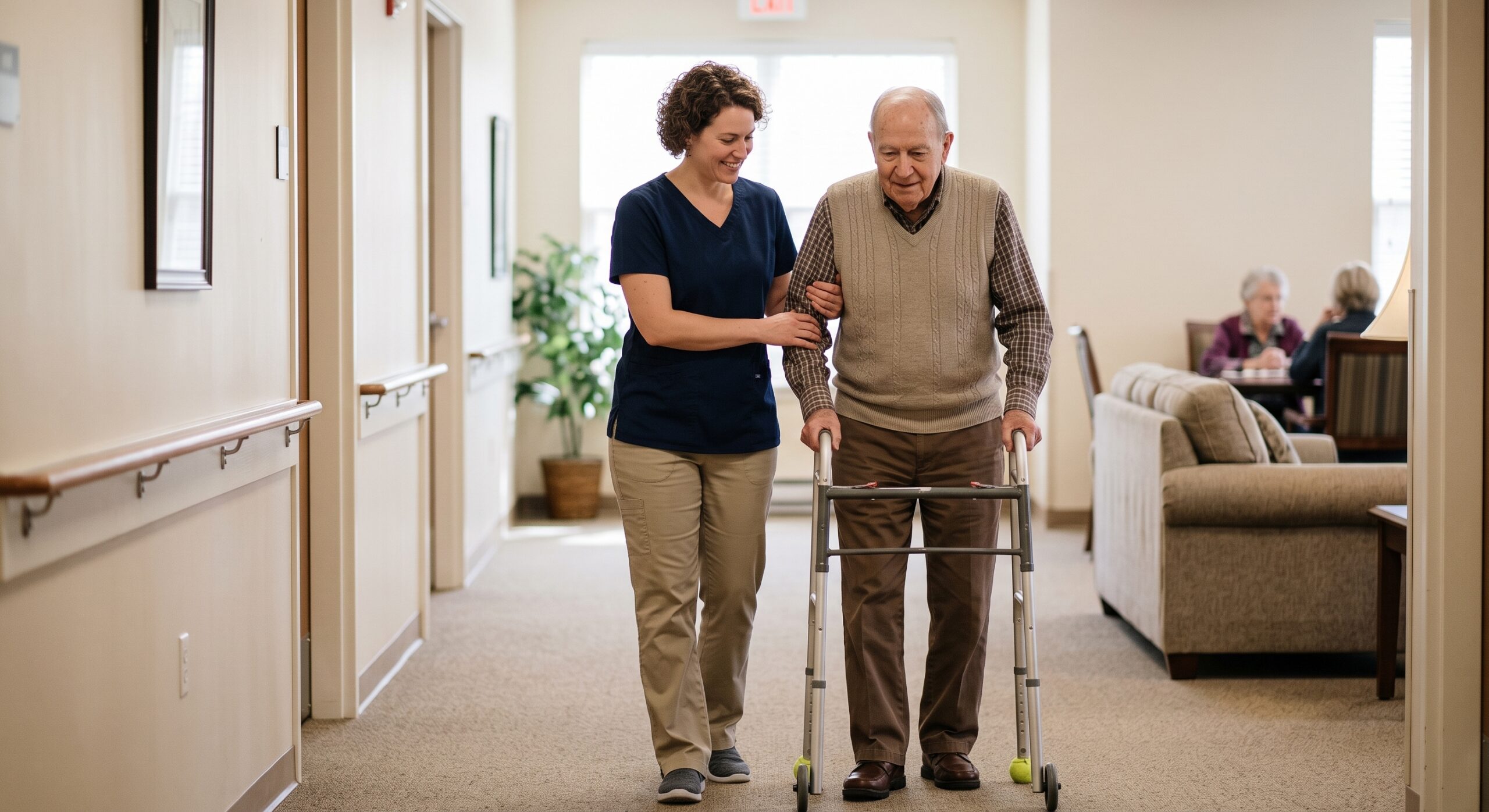
Assisted living communities typically tailor care to individual needs. Residents may receive help with activities of daily living (ADLs) such as bathing, dressing, grooming, or mobility. At Alliance Residences, personalized care plans ensure that every resident gets the right level of support while maintaining autonomy and choice in their daily routine.
Medication Management
Medication management in assisted living is a vital aspect of resident care. Staff members ensure medications are taken on time and as prescribed, reducing the risk of missed doses or duplication. This oversight promotes health, stabilizes ongoing conditions, and brings families peace of mind.
Engaging Social Programs
Beyond physical care, emotional wellness matters greatly. Senior living communities in Minnesota, including Alliance Residences, focus on meaningful engagement—offering social events, fitness opportunities, creative workshops, and community outings. These activities foster connection and purpose, combating senior isolation and enriching everyday life.
Safety and Security
Modern assisted living communities incorporate thoughtful safety features like emergency call systems, wellness checks, secure entrances, and accessible design. Residents enjoy the right balance of independence and protection, giving families reassurance that their loved ones are safe and supported 24/7.
Options Beyond Medicare for Covering Assisted Living Costs
Because Medicare alone doesn’t cover assisted living fees, many families explore a combination of funding sources. These can include savings, long-term care insurance, veterans’ benefits, and state-based assistance programs available in Minnesota. Here are a few of the most common options:
- Long-Term Care Insurance: These policies can help cover some costs of assisted living, depending on coverage details and the individual’s needs.
- Veterans Aid & Attendance Benefits: Qualified veterans or surviving spouses may receive monthly payments that can be applied toward assisted living expenses.
- Medicaid Programs: In Minnesota, Medicaid may offer support through elderly waiver services that help cover personal care or health-related assistance in certain assisted living communities.
- Personal Assets or Family Contributions: Many families use a combination of savings, home equity, or family funds to make assisted living affordable.
The right payment strategy depends on your unique circumstances, including health status, eligibility criteria, and long-term financial goals. Working with a trusted senior living advisor can clarify what combination will work best for your family.
How Alliance Residences Supports Families Through the Process
At Alliance Residences, we understand that transitioning to assisted living can be both an emotional and practical decision. Families want to ensure their loved one receives compassionate care, but they also need clear information about costs and coverage options. Our experienced team guides families through every step—from touring our Minnesota senior living communities to understanding care plans and financial resources.
We take pride in creating personalized care plans that match each resident’s preferences, health needs, and lifestyle goals. Whether your loved one requires light assistance or memory care support, we focus on enhancing independence and joy within a safe residential environment. Our nurses and caregivers provide medication management, wellness oversight, and everyday companionship tailored to individual abilities and interests.
Perhaps most importantly, we believe peace of mind should extend to the entire family. That’s why our open communication and transparent approach help you stay informed and confident in your loved one’s care journey. You’ll never have to wonder how your parent or spouse is doing—we treat every resident like family.
Understanding Memory Care and Specialized Support
For seniors living with Alzheimer’s or other forms of dementia, memory care programs offer an additional level of expertise and structure. While Medicare may cover certain medical services related to dementia treatment, it doesn’t fund residential memory care itself. However, specialized communities like Alliance Residences can provide safe environments, continuity of care, and cognitive engagement activities that maintain dignity and comfort.
Our memory care neighborhoods are designed around routine, familiarity, and compassionate communication. Trained caregivers offer patient support while promoting participation in sensory activities, reminiscence therapy, and gentle physical movement. For families, knowing their loved one is in a secure, nurturing community brings immeasurable peace.
Key Takeaways for Families Planning Ahead
To recap, here are a few essential points to remember:
- Medicare does not pay for room and board or personal care in assisted living communities.
- Medicare may cover certain medical services received within assisted living, such as physician visits or therapy.
- Families often rely on long-term care insurance, veterans’ benefits, Medicaid, or personal resources to cover costs.
- Assisted living in Minnesota focuses on safety, wellness, social engagement, and personalized daily assistance—not just medical care.
- Alliance Residences provides expert guidance to help families navigate care options and find a plan that fits.
A Message from a Senior Living Expert
Choosing the right senior living community is a deeply personal decision that deserves time, care, and honest guidance. At Alliance Residences, we’re here to help you explore your options with confidence and compassion. Whether you’re comparing financial coverage, researching memory care support, or simply looking for a nurturing community, our team is ready to assist every step of the way.
If you have questions about assisted living in Minnesota or want to discuss how our personalized care plans can meet your family’s needs, we invite you to reach out. Schedule a personal consultation or tour an Alliance Residences community to see firsthand how we make senior living feel like home. Your peace of mind—and your loved one’s comfort—are always at the heart of everything we do.