

Assisted Living vs. In-Home Care: A Side-by-Side Comparison
Choosing the right kind of care for an aging parent or loved one can be an emotional and complex decision. Two of the most common options families in Minnesota consider are assisted living and in-home care. Both offer valuable support for seniors, yet they differ in setting, services, costs, and lifestyle benefits. Understanding these differences can help you make a confident, informed choice that truly supports your loved one’s well-being, independence, and happiness.
What Is Assisted Living?
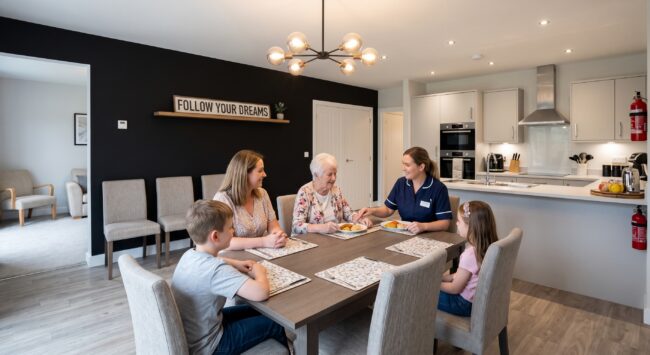
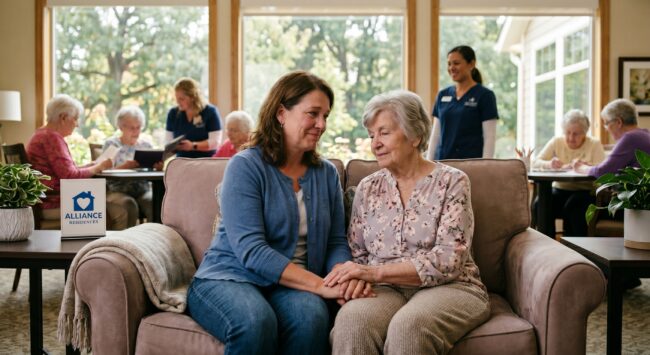
Assisted living is a residential senior living option designed for older adults who value independence but may need help with daily living tasks such as bathing, dressing, managing medications, or preparing meals. In a community like Alliance Residences in Minnesota, residents live in private apartments while enjoying a supportive environment with on-site caregivers, dining services, engaging social programs, and easy access to healthcare resources.
Assisted living communities are purposefully designed to combine comfort, safety, and social opportunities. Residents can relax knowing that trained staff members are available 24/7 to provide assistance whenever it’s needed — without sacrificing dignity or independence. For families, this environment offers reassurance that their loved one is safe, well cared for, and part of a vibrant senior living community.
What Is In-Home Care?
In-home care, sometimes called home care or private duty caregiving, provides one-on-one assistance for seniors who prefer to stay in their own homes. A caregiver visits to help with personal care, housekeeping, meal preparation, and companionship. Depending on the senior’s needs, services may range from a few hours a week to round-the-clock support.
This approach can be appealing for older adults deeply attached to their home environment or those who need only minimal help. However, as care needs grow, coordinating multiple caregivers or agencies can become challenging and costly. Families also shoulder more responsibility for managing schedules, overseeing safety, and ensuring that their loved one receives consistent, reliable care.
Comparing Assisted Living and In-Home Care Side by Side
1. Level of Care and Professional Support
In assisted living, residents benefit from a structured care team available 24 hours a day. Services often include personalized care plans, medication management, mobility support, and access to licensed nurses. This continuous oversight ensures changes in health or behavior are promptly addressed.
By contrast, in-home caregivers typically provide non-medical support unless a home health nurse is contracted separately. This can work well for seniors who are mostly independent but may not be sufficient for those with progressive health conditions or memory-related challenges.
2. Safety and Accessibility
Assisted living communities like Alliance Residences are specifically designed with senior safety in mind. Features such as grab bars, emergency call systems, bright lighting, slip-resistant flooring, and accessible bathrooms come standard. These thoughtful environments minimize fall risk and provide peace of mind for both residents and families.
Most private homes were not built with aging in place as a priority. Retrofitting a home for safety — installing ramps, stairlifts, or accessible showers — can be expensive and logistically challenging. Additionally, if the senior is home alone, response times in emergencies can be slower than in a community setting.
3. Social Engagement and Emotional Well-Being
Loneliness is one of the biggest risk factors for older adults living alone. Assisted living communities provide structured opportunities for socialization every day — from group exercise and brain fitness classes to live entertainment and holiday events. Residents quickly form meaningful friendships and enjoy a renewed sense of belonging.
In-home care can include companionship, but interactions often depend on caregiver availability and frequency of visits. Seniors may still experience isolation, particularly if health conditions or mobility issues limit their ability to get out of the house. For many families, the built-in social life of assisted living supports emotional health in ways that home settings simply can’t.
4. Cost Considerations
Comparing costs between assisted living and in-home care depends heavily on the level of support required. In-home care costs increase as hours of service expand. If 24-hour care becomes necessary, total expenses can easily exceed those of a full-time assisted living residence.
Assisted living fees are generally predictable month to month and encompass housing, utilities, meals, activities, and personal care services. Many families appreciate the simplicity of a single payment that covers nearly every daily need — while their loved one enjoys an enriched, maintenance-free lifestyle.
5. Memory Care and Specialized Support
For seniors living with Alzheimer’s or other forms of memory loss, memory care support plays a critical role in promoting safety and comfort. Alliance Residences offers a secure memory care neighborhood designed to support cognitive health through personalized care plans, therapeutic engagement, and compassionate staff trained in dementia care best practices.
Providing effective memory care at home is possible, but often more complex. Continuous supervision is essential, and caregivers must have specialized training to minimize confusion and prevent wandering. Families should consider whether the home environment can realistically meet these needs over time.
6. Family Involvement and Peace of Mind
Assisted living frees family members from the stress of coordinating daily care or worrying about emergencies. Loved ones can shift their focus back to quality time and meaningful connection, trusting that their parent or relative receives professional, compassionate attention each day.
In-home care, while offering close involvement, often places the ongoing management burden on families. Managing caregivers, maintaining supplies, and ensuring consistent care schedules can be time-consuming — especially for working family members or those living in another city.
Making the Best Choice for Your Loved One
There’s no one-size-fits-all answer when deciding between assisted living and in-home care. The right choice depends on your loved one’s physical health, memory status, safety needs, and social preferences. Here are a few questions to help guide your decision:
- Does your loved one require daily hands-on assistance with bathing, dressing, or mobility?
- Is medication management becoming more difficult at home?
- Would structured social activities and companionship improve their quality of life?
- Is the family able to coordinate and oversee consistent caregiving at home?
- Has the home environment become challenging to navigate or unsafe?
If you find yourself answering “yes” to several of these questions, exploring an assisted living or memory care community in Minnesota — such as Alliance Residences — could be a wise next step. Here, your loved one receives the benefit of professional care within a welcoming residential setting focused on wellness, dignity, and joyful living.
Next Steps: Explore Assisted Living in Minnesota with Confidence
Transitioning from home to a senior living community is a big step, but the right community can enhance every aspect of your loved one’s life — from nutrition and medication management to physical activity and social connection. At Alliance Residences, our experienced team works closely with each resident and family to design a personalized care plan that evolves alongside changing needs.
When you visit Alliance Residences, you’ll see first-hand how our compassionate caregivers, inviting spaces, and engaging programs create a warm and uplifting environment for seniors throughout Minnesota.
As a senior living expert, my best advice is to start the conversation early. Tour communities, ask questions, and take time to compare options. Whether your loved one needs light daily assistance or comprehensive memory care support, there’s a caring solution that fits.
To learn more about assisted living in Minnesota or to schedule a personal visit, contact Alliance Residences today. Our dedicated team would be honored to help you explore next steps — and to welcome your loved one into a community built on trust, respect, and genuine compassion.