

The Family Caregiver Burnout Checklist: When to Ask for Help
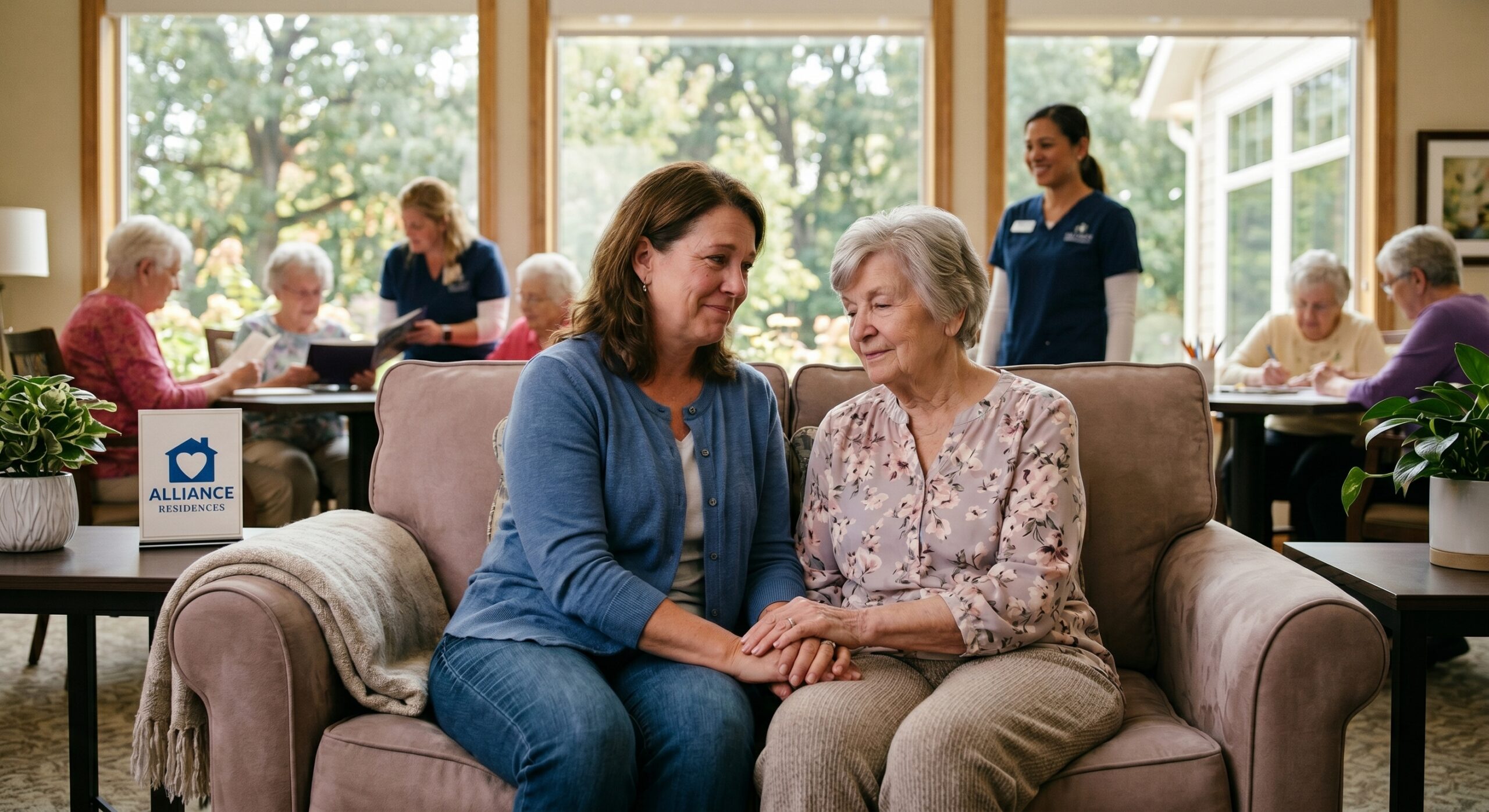
Caregiving for an aging parent or loved one is one of the most meaningful ways to show love and loyalty — but it’s also one of the most demanding. Many family caregivers juggle full-time jobs, their own families, and the constant responsibility of making sure Mom or Dad is safe, healthy, and emotionally cared for. Over time, even the most patient and devoted caregivers can start to feel stretched thin. Recognizing the early signs of burnout is key to protecting both your health and your loved one’s well-being.
At Alliance Residences, a Minnesota-based assisted living community, we often meet families who waited too long to reach out for help. By understanding when caregiving stress becomes unmanageable, you can take steps before exhaustion turns into burnout. This guide offers a “Family Caregiver Burnout Checklist” — and practical advice for knowing when assisted living in Minnesota may be the right next step.
Understanding Caregiver Burnout
Caregiver burnout is a state of physical, emotional, and mental exhaustion that occurs when the demands of caregiving overwhelm your resources. It doesn’t happen overnight; it builds over time. At first, you might just feel tired or short-tempered. Later, you may feel isolated, resentful, or hopeless. This emotional fatigue often affects your health, your relationships, and even your ability to provide safe care.
The signs of burnout are similar across families we meet in our senior living community in Minnesota. Many caregivers notice that they’ve stopped socializing, struggle to sleep, or experience anxiety about leaving their loved one alone. Others may skip their own medical appointments or neglect exercise and nutrition. When these patterns emerge, it’s time to pause and reassess.
The Family Caregiver Burnout Checklist
Use the following checklist to reflect on your current experience. Each “yes” answer is a signal that you may need extra help — whether that’s through short-term support services or a transition to assisted living.
- Do you feel exhausted most days, even after a full night’s sleep?
- Have you withdrawn from friends, hobbies, or social activities you once enjoyed?
- Do you feel guilty when taking time for yourself?
- Are you skipping your own medical or dental appointments?
- Do you often feel irritable, anxious, or easily frustrated?
- Have you noticed physical symptoms like headaches, digestive issues, or muscle tension?
- Do you worry constantly about your loved one’s safety when you’re not with them?
- Have your relationships with your spouse, children, or friends suffered?
- Are you struggling to keep up with your job or household responsibilities?
- Do you feel that no matter what you do, it’s never enough?
If several of these statements describe your life, take heart — you’re not failing. You’re human. Caregiving is an act of love, but it’s also a marathon that few can run alone. Knowing when to ask for help is a sign of strength, not weakness.
When It’s Time to Consider Assisted Living Support
Many families in Minnesota find that moving a loved one into assisted living improves everyone’s quality of life. When caregiving reaches the point of burnout, professional support ensures your loved one receives consistent, expert care while you regain balance.
At Alliance Residences, residents receive personalized care plans designed to meet their unique physical, cognitive, and emotional needs. Our trained caregiving team manages daily routines, including medication management, grooming, meals, and mobility support. This consistency reduces family stress while promoting safety and stability for your loved one.
What Assisted Living in Minnesota Can Offer Your Family
Choosing an assisted living community in Minnesota gives families access to compassionate professionals dedicated to each resident’s well-being. Below are some core benefits families notice soon after choosing Alliance Residences or a similar community.
1. Personalized Care Plans
Every resident’s journey begins with a personalized assessment. At Alliance Residences, we review health history, daily habits, medication needs, and personal preferences. The resulting care plan evolves along with your loved one’s changing strengths and challenges — offering the right level of help at the right time.
2. Professional Medication Management
Medication management in assisted living is one of the most valuable services for families. Proper medication scheduling prevents missed doses and interactions, giving everyone peace of mind. Our licensed staff ensures prescriptions are administered correctly and safely, with documentation and coordination among physicians and pharmacists.
3. Engaging Social and Wellness Programs
Isolation is one of the hidden dangers of aging at home. In a senior living community in Minnesota, residents enjoy meaningful activities every day: group exercise, art workshops, discussion clubs, local outings, and entertainment. These experiences support mental health, preserve independence, and keep life joyful.
4. Specialized Memory Care Support
Families caring for a loved one with dementia or Alzheimer’s disease often experience early burnout due to the condition’s demands. Memory care support within assisted living communities like Alliance Residences provides a nurturing, structured environment tailored to cognitive well-being. Staff receive ongoing dementia care training, ensuring safety while encouraging dignity, connection, and purpose.
5. Safety and 24-Hour Assistance
One of the greatest advantages of assisted living is the peace of mind that comes from around-the-clock support. From emergency call systems to secure entryways and accessible design, residents receive protection and comfort with professional caregivers onsite day and night.
6. Family Peace of Mind
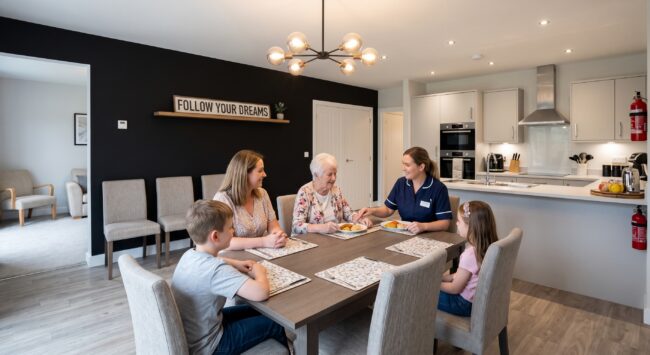
Most importantly, transitioning to assisted living allows family relationships to heal and thrive. Instead of managing every detail of daily care, you can spend quality time together — visiting, sharing stories, or enjoying a meal without worry.
How to Begin the Conversation About Assisted Living
Bringing up assisted living can feel daunting. Many adult children fear their parents will feel betrayed or abandoned. However, when the discussion centers on safety, quality of life, and mutual relief, it can become a turning point toward shared understanding.
Start by emphasizing how assisted living restores independence rather than taking it away. Highlight the benefits — new friendships, engaging activities, nutritious dining, and personalized daily support. Partnering with a trusted Minnesota-based community like Alliance Residences makes the transition smoother, with guidance for every step.
Taking Care of Yourself, Too
While your loved one receives professional care, remember that your own wellness matters. Reconnect with friends, catch up on sleep, exercise, and return to the hobbies you love. Maintaining your own physical and emotional health allows you to show up as your best self for your family — present, rested, and renewed.
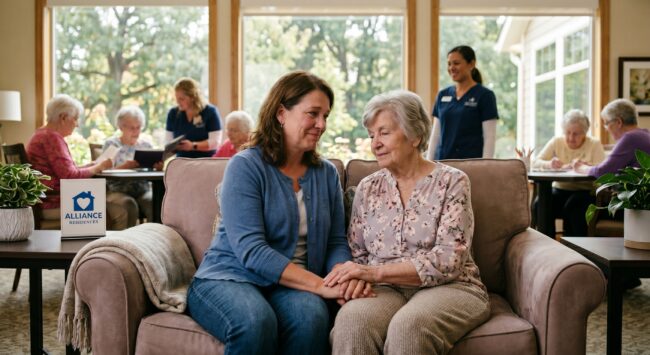
Many caregivers share that after their loved one moved into assisted living, they were finally able to simply enjoy being a daughter, son, or spouse again. That’s one of the greatest gifts a supportive community can offer.
A Note from the Alliance Residences Team
Caring for someone you love should never mean sacrificing your own well-being. If you’re noticing signs of caregiver burnout, remember that help — and hope — are available. Assisted living in Minnesota offers compassionate, personalized solutions that restore balance for the entire family.
At Alliance Residences, our mission is to make life easier and more fulfilling for seniors and their families through expert care, engaging experiences, and genuine human connection. Let us help you explore personalized care plans, memory care support, and wellness opportunities designed around your loved one’s needs.
Reach out today to schedule a conversation or visit our welcoming senior living community in Minnesota. A friendly, knowledgeable expert will guide you through options that fit your family’s goals — and show you how assisted living can truly feel like home.