

Hydration and Aging: Why Seniors Are at Higher Risk
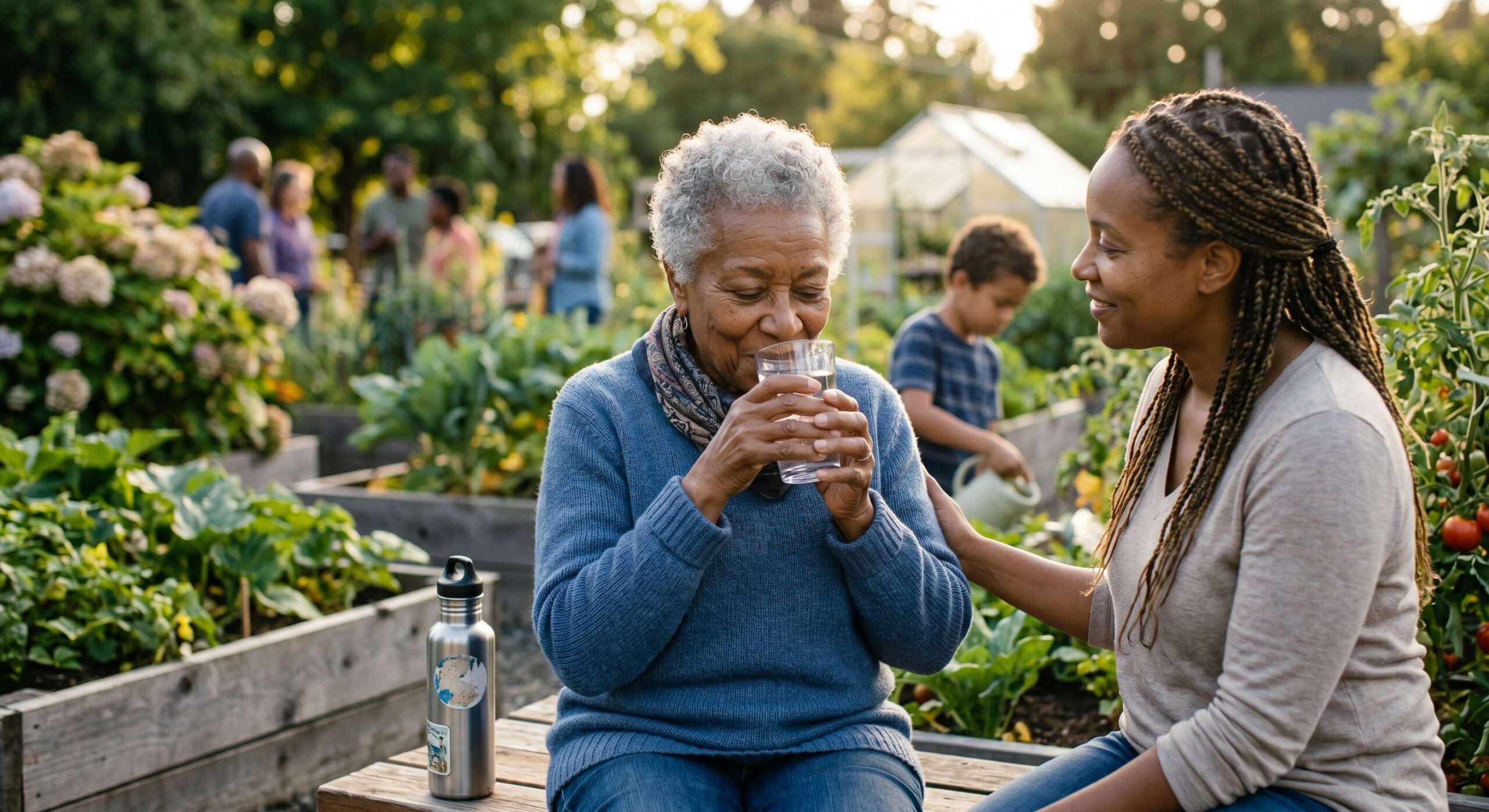
As people age, hydration often becomes a hidden yet critical factor affecting overall wellness. Seniors are particularly vulnerable to dehydration, which can lead to confusion, fatigue, urinary issues, and even hospitalizations. In assisted living settings such as Alliance Residences in Minnesota, understanding how hydration impacts aging helps families and residents take proactive steps toward better health, safety, and quality of life.
Hydration needs vary from person to person, but seniors often require special attention. This blog explores why older adults face higher risks of dehydration, how communities like Alliance Residences support hydration and wellness, and what families can do to help their loved ones stay safe and comfortable every day.
Understanding Why Seniors Are at Higher Risk of Dehydration
Dehydration occurs when the body loses more fluids than it takes in. For older adults, even mild dehydration can have outsized impacts on health, energy, and cognitive function. Aging changes the way the body regulates fluids, and these natural shifts place seniors at higher risk.
Reduced Thirst Sensation
Seniors often feel less thirsty even when their bodies need fluids. This reduced thirst mechanism can lead to unintentional dehydration, particularly on warm days or during periods of illness. Assisted living caregivers in Minnesota are trained to encourage regular hydration, offering water, herbal teas, and fruit-infused drinks throughout the day.
Medication and Health Conditions
Many older adults take medications that act as diuretics or affect kidney function, increasing fluid loss. Chronic conditions—such as diabetes, dementia, and heart disease—can also influence hydration levels. Medication management in assisted living settings helps monitor the relationship between prescriptions and hydration, preventing avoidable complications.
Mobility or Cognitive Challenges
For some residents, mobility limitations or memory loss can prevent them from getting enough fluids independently. In memory care support environments, gentle prompting and personalized care plans make a huge difference in maintaining steady hydration habits and preventing dehydration-related confusion.
Health Effects of Dehydration in Older Adults
Dehydration can cause subtle symptoms at first—such as dry mouth or dizziness—but if left unchecked, it can lead to serious health events. Seniors in residential communities are more likely to experience these complications due to age-related sensitivity to fluid imbalance.
- Increased risk of falls: Low hydration can lead to muscle weakness, low blood pressure, and unsteady gait.
- Cognitive decline: Even mild dehydration can impair short-term memory, focus, and alertness.
- Urinary tract infections (UTIs): Concentrated urine increases the likelihood of infection, which can quickly escalate for seniors.
- Kidney strain: Chronic dehydration stresses kidney function, a major concern for people managing diabetes or cardiovascular conditions.
- Hospital visits: Many emergency department visits among older adults are linked to dehydration, especially during heat waves or illness episodes.
Recognizing these red flags early allows caregivers in senior living communities to step in with quick, compassionate care and ensure that residents regain balance and stability as soon as possible.
Proactive Hydration Strategies in Assisted Living Settings
In assisted living communities, hydration support is woven into everyday routines. At Alliance Residences, residents benefit from personalized attention and a flexible environment designed to meet each person’s unique hydration and wellness needs.
Daily Hydration Plans
Each resident’s personalized care plan includes hydration reminders, beverage preferences, and monitoring techniques. Caregivers observe fluid intake patterns and prompt residents with gentle encouragement throughout meals and activities.
Nutritious Fluid Options
Beverage variety encourages enjoyment and consistency. Along with water, residents might enjoy juices, milk, low-sodium soups, smoothies, and fruit-infused water. Having diverse and appealing options encourages more frequent sipping throughout the day.
Mealtime Support
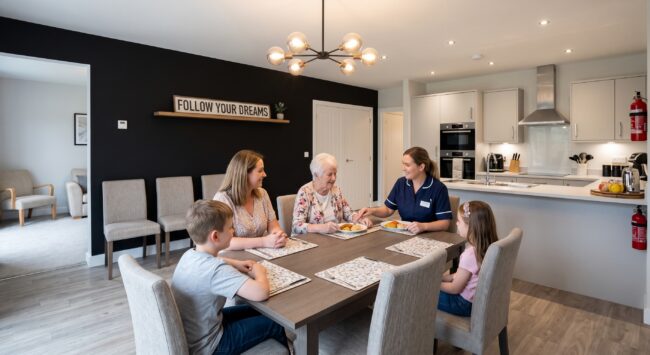
Community dining helps seniors socialize while also maintaining proper nutrition and hydration. Staff ensure water and healthy beverages are readily available during all meals and snacks—a simple yet essential part of daily care services in assisted living Minnesota communities.
Monitoring and Documentation
Documentation of fluid intake ensures caregivers stay aware of each resident’s hydration patterns. This attention to detail becomes particularly important when managing conditions like dementia or when residents experience medication changes that affect fluid balance.
Hydration and Memory Care Support
Hydration plays an especially crucial role in memory care support. Individuals living with Alzheimer’s disease or other forms of dementia often struggle to recognize thirst, express needs, or remember to drink. That’s why structured routines and compassionate reminders are integrated into every part of the day in memory care neighborhoods at Alliance Residences.
For instance, caregivers may offer beverages during activities, after walks, or alongside social programs. Colorful cups, adaptive drinking aids, and temperature-controlled drinks make hydration inviting and comfortable. Engaging residents through sensory stimulation—like the scent of fresh fruit water or a warm cup of tea—also fosters positive experiences linked to hydration and comfort.
Family Tips for Supporting Hydration at Home or in Assisted Living
Families can play an active role in supporting hydration habits for their loved ones, whether at home or while transitioning to an assisted living setting. Consistency, personalization, and encouragement are key. Here are a few practical ideas:
- Encourage small, frequent sips rather than large amounts all at once.
- Offer favorite beverages to promote enjoyment and consistency.
- Pair drinks with daily routines—such as a glass of water before medication or juice with breakfast.
- Monitor for subtle signs of dehydration, including confusion, dry skin, or dark-colored urine.
- Communicate with caregivers about any medication changes or new symptoms.
Open communication between families and the assisted living care team ensures your loved one receives reliable hydration support as part of an overall wellness plan. Alliance Residences prioritizes these partnerships, helping families stay connected and confident in their loved one’s care.
Alliance Residences: Prioritizing Wellness and Hydration in Assisted Living Minnesota
At Alliance Residences, hydration isn’t just a clinical task—it’s a cornerstone of wellness and dignity. The team integrates hydration awareness into every aspect of daily life, from medication management to social engagement, ensuring every resident feels supported, valued, and comfortable.
Through personalized care plans, compassionate assistance, and an engaging residential atmosphere, Alliance Residences helps residents thrive both physically and emotionally. Families gain peace of mind knowing that their loved one’s hydration, nutrition, and safety are monitored by caregivers who treat every individual like family.
Whether your family is exploring assisted living or memory care support in Minnesota, understanding hydration’s impact can guide you toward improved wellness and proactive support strategies.
A Note from Our Senior Living Expert
Hydration truly forms the foundation of senior wellness, yet it’s also one of the most overlooked daily needs. By weaving personalized hydration practices into assisted living care, older adults preserve energy, clarity, and comfort throughout their day. At Alliance Residences, we believe small, consistent efforts—like ensuring an extra glass of water or adding hydration reminders to daily routines—can make a meaningful difference in long-term health and happiness.
If you’re looking for compassionate assisted living in Minnesota with comprehensive wellness support, we invite you to connect with Alliance Residences. Contact our friendly team today to schedule a visit or learn more about how our personalized daily assistance, medication management, and memory care services can enrich your loved one’s life.