

Assisted Living vs. Nursing Home: What’s the Real Difference?

Choosing the right type of senior care for yourself or a loved one can be both emotional and complex. Understanding the difference between assisted living and nursing home care helps you make a confident, informed decision that honors your loved one’s independence, safety, and well-being. For families exploring senior living in Minnesota, knowing what sets these two types of communities apart can make all the difference in finding the right fit.
Understanding Assisted Living in Minnesota
Assisted living communities, like Alliance Residences, are designed for seniors who want to maintain an active, independent lifestyle while receiving support with daily living tasks. These residences blend independence with personalized care plans that adapt as needs change.
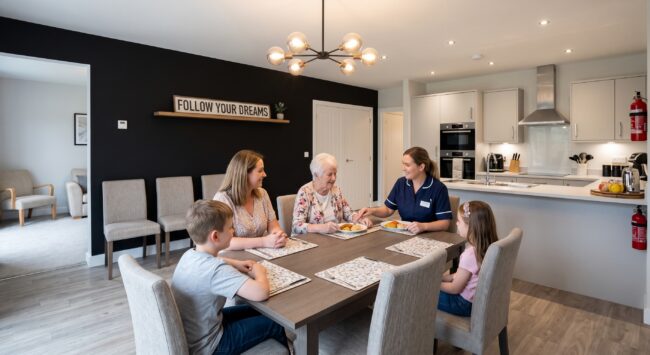
Residents in assisted living often enjoy private apartments combined with shared community spaces for dining, recreation, and wellness activities. Trained caregivers provide assistance as needed—helping with tasks such as bathing, grooming, mobility, and medication management in assisted living—without compromising each resident’s dignity or autonomy.
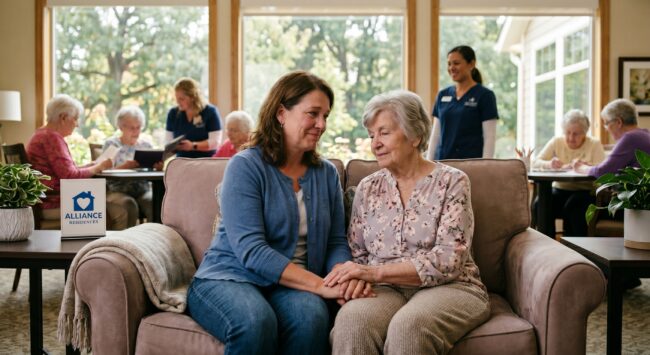
Assisted living in Minnesota also emphasizes social engagement and life enrichment. Communities often offer a full calendar of activities such as exercise classes, cultural programs, and local outings, helping residents remain connected and purposeful.
What Is a Nursing Home?
Nursing homes, or skilled nursing facilities, offer a higher level of medical care than assisted living communities. They are designed for individuals who require continuous medical monitoring, advanced medication administration, or complex rehabilitation services after hospitalization or illness.
Unlike assisted living, nursing homes are staffed 24/7 by licensed nurses and medical professionals. Residents often share rooms and have less personal independence because health and safety take top priority. Nursing homes can be short-term (for recovery and rehabilitation) or long-term (for chronic or serious health conditions that make independent living unsafe).
While both assisted living and nursing home residents receive professional care, the intensity, medical supervision, and lifestyle experience differ significantly.
Key Differences Between Assisted Living and Nursing Homes
1. Level of Medical Care
Assisted living communities focus on helping residents with daily activities rather than on providing complex medical care. Medication management, regular wellness monitoring, and coordination with healthcare providers are common, but invasive medical procedures are not performed onsite. Nursing homes, in contrast, deliver continuous medical oversight and often provide rehabilitative therapy services such as physical, occupational, or speech therapy.
2. Independence and Lifestyle
Residents in assisted living enjoy more independence and privacy, which can be essential to maintaining a sense of self and purpose. Personalized care plans ensure that support is available when needed but never intrusive. Nursing homes, due to the medical nature of care, are more structured and clinical, often limiting residents’ independence for safety reasons.
3. Living Spaces
Assisted living communities usually feature apartment-style living with private or semi-private accommodations, kitchenettes, and home-like touches. Residents can decorate their own spaces, making them feel truly at home. In nursing homes, rooms are typically shared, and personal furnishings are limited due to space and safety requirements.
4. Cost and Payment Options
The cost difference reflects the intensity of care. Assisted living in Minnesota is generally more affordable than nursing home care because services are personalized and less medically intensive. Some assisted living communities also accept long-term care insurance or offer guidance on financial planning resources. Nursing homes, on the other hand, may be covered in part by Medicare or Medicaid when medically necessary.
5. Social and Emotional Well-being
Social interaction is central to assisted living communities like Alliance Residences. Residents have daily opportunities to engage in group activities, volunteer work, or spiritual programs. These interactions significantly boost mental and emotional health. Nursing homes also provide recreational programming, but residents’ health limitations can make participation more challenging.
Who Benefits Most from Assisted Living?
Assisted living is ideal for seniors who are mostly independent but need help with certain aspects of daily life. Common reasons families choose assisted living in Minnesota include:
- Needing gentle support with bathing, grooming, or mobility while maintaining privacy and independence.
- Requiring assistance or oversight for medication management.
- Desiring a vibrant social community to combat isolation or loneliness.
- Looking for nutritious, chef-prepared meals and no longer wishing to manage household chores or home maintenance.
- Seeking peace of mind with 24-hour staff availability and emergency response systems.
For seniors with mild cognitive changes, many assisted living communities also offer specialized memory care support. These secure neighborhoods are designed to help residents living with Alzheimer’s or other forms of dementia maintain structure, safety, and engagement in a supportive environment.
When a Nursing Home Is the Better Fit
If your loved one requires round-the-clock skilled medical care or cannot perform most activities of daily living, a nursing home may be the right option. Examples include seniors recovering from surgery or stroke, or those with complex health conditions that require ongoing professional monitoring.
Because nursing homes provide comprehensive clinical support, they can ensure ongoing treatment and rehabilitation for residents whose health conditions cannot be safely managed in an assisted living environment.
Making the Transition: Choosing the Right Community
Deciding between assisted living and nursing home care often comes down to balancing independence with safety. Start by assessing your loved one’s current needs—physical, emotional, and social—and consider how those needs may change over time. Aging is a journey, not a single moment. Selecting a senior living community that offers adaptive care and resources can help your loved one age in place with confidence and support.
At Alliance Residences, assisted living in Minnesota is built around personalized care plans that grow with each resident. Whether it’s assistance with daily tasks, specialized memory care support, or long-term wellness planning, our team partners with families to ensure residents receive just the right level of help—without sacrificing independence or joy.
A Message from Our Senior Living Experts
Navigating senior care options can feel overwhelming, but you don’t have to do it alone. At Alliance Residences, we take time to truly know each resident—understanding their routines, values, and preferences. This allows us to craft personalized care plans and provide meaningful connection in a safe, compassionate environment.
If you’re exploring assisted living or memory care in Minnesota, our team is here to guide you every step of the way. Contact Alliance Residences today to schedule a conversation or personal tour. Let us show you how your loved one can thrive with the right balance of independence, care, and community.